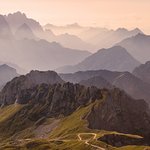
Kidepo Valley National Park planning starts with understanding what makes Kidepo Valley National Park different. Kidepo Valley National Park works best when it is treated as a destination in its own right rather than a quick name on a long itinerary. It lies in far north-eastern Uganda near the borders with South Sudan and Kenya. The destination is defined by broad semi-arid valleys, rugged mountains, dry riverbeds, rocky outcrops and sweeping savannah. For most visitors, the experience people remember first is remote game drives across the Narus and Kidepo valleys with very low visitor traffic. A good itinerary leaves enough time to enjoy that main experience without ignoring the smaller details that often make a trip feel complete, including changing light, birdlife, local landscapes and the pace of travel between activities.
Kidepo Valley National Park at a glance
- Main experience: Remote game drives across the Narus and Kidepo valleys with very low visitor traffic.
- Landscape: Broad semi-arid valleys, rugged mountains, dry riverbeds, rocky outcrops and sweeping savannah.
- Planning style: Allow enough time for the main activity, transfers, rest and changes caused by weather or wildlife movement.
- Good for: Travellers who prefer a well-paced itinerary with time for photography, nature and local experiences.
What to expect at Kidepo Valley National Park
Kidepo Valley National Park rewards travellers who arrive with realistic expectations and enough time. The area is known for remote game drives across the Narus and Kidepo valleys with very low visitor traffic, but a visit is usually richer when you also pay attention to the setting. Broad semi-arid valleys, rugged mountains, dry riverbeds, rocky outcrops and sweeping savannah shape how wildlife is seen, how photographs look and how long transfers between activity areas may take. The destination can feel completely different in early morning light, in the middle of the day and again toward sunset. That variation is one reason a well-paced itinerary usually performs better than a rushed checklist. Your guide can adjust the order of activities around weather, road conditions and current wildlife information, which is especially important in natural areas where no sighting can be guaranteed.
Wildlife and nature
The wildlife and natural interest around Kidepo Valley National Park includes lions, elephants, buffaloes, giraffes, zebras, hartebeest, eland, hyenas, jackals and a distinctive mix of dry-country birds. Exact sightings change from day to day, and some species are seasonal, shy or widely dispersed. This is why experienced guides read tracks, alarm calls, habitat and recent reports rather than promising a fixed list. Birders should allow extra time because the smaller habitats often produce species that are missed on a fast game drive or transfer. Photographers can benefit from carrying both a longer lens for wildlife and a wider lens for scenery. Even where a destination is famous for one animal or one landscape, the strongest visit usually comes from observing the complete environment and how different species use it.
Best experiences and activities
Choose activities according to your interests, available time, season and the rules that apply at the destination.
- Game drives
- Birdwatching
- Landscape photography
- Guided walks where permitted
- Cultural visits arranged with nearby communities
The right mix depends on your interests, available time and the rules that apply to each protected area or local operator. Early departures are often worthwhile because temperatures are cooler, light is softer and wildlife may be more active. Midday can be used for lunch, rest, a transfer or a slower activity before returning outside later in the afternoon. If you are travelling with children, older travellers or anyone with limited mobility, discuss walking distances, boarding steps, vehicle access and toilet stops before confirming the programme. Private arrangements can usually offer more control over pace than a shared departure.
Planning a Kidepo Valley National Park
A successful Kidepo Valley National Park should match the number of nights to the activities you actually want to do. Distances are large and services are limited compared with busier parks. Carry appropriate clothing, water and camera power, and plan fuel and transfers carefully. Build in realistic transfer time and avoid putting a major activity immediately after a long road journey when delays could affect permits or check-in. For wildlife viewing, two well-planned sessions are normally better than one rushed drive. For trekking or walking destinations, keep the previous evening light so you can start rested. If the trip is part of a longer East African itinerary, check border requirements, domestic flight baggage limits and the order of destinations before paying non-refundable deposits.
When to visit
The dry season generally concentrates animals around dependable water in the narus valley, while wetter months transform the grasslands and create striking scenery. Weather patterns can shift, so month-by-month descriptions should be treated as guidance rather than a promise. In many East African destinations, rain is localised and may fall for a short period before conditions improve. The green season can offer fresh vegetation, dramatic clouds and fewer vehicles, while peak dry periods may provide easier roads and more predictable wildlife concentrations. Your preferred travel month should therefore reflect your main goal, whether that is wildlife density, birding, photography, trekking comfort, lower visitor numbers or combining several countries in one route.
Getting there and safari routing
The park can be reached by a long road journey from central Uganda or by scheduled and charter flights to nearby airstrips. When comparing road and air options, look beyond the headline travel time. A flight may save hours but can add baggage restrictions, transfer costs and fixed schedules. A road journey can be long, yet it may add scenery, villages and useful stops that become part of the experience. The best choice depends on your overall route, budget and available days. Keep arrival times realistic, especially if your first activity has a fixed briefing or departure. On private safaris, route order can often be adjusted so the longest transfer follows a lighter day rather than a demanding trek or full-day game drive.
Where to stay
A small collection of lodges and camps serves the park, so booking ahead is sensible, especially when flights and private vehicles must line up. When choosing accommodation, compare location before comparing room photographs. A beautiful lodge can be inconvenient if it adds several hours of driving to the activity you came to do. Ask whether rates include meals, park transfers, laundry, drinks and local activity transport because inclusions differ widely. Travellers with early starts should request breakfast boxes when necessary. Families may need adjoining rooms, while honeymoon travellers may prefer smaller properties with more privacy. For photography, a lodge with open views can add useful sunrise and sunset opportunities even outside formal safari hours.
What to pack
A simple packing checklist keeps the trip comfortable without adding unnecessary luggage:
- Pack light, practical clothing in neutral colours, a hat, sunscreen, insect repellent and a reusable water bottle.
- Closed walking shoes are useful even when the itinerary is mainly vehicle based.
- A light waterproof jacket should stay in your day bag because tropical and highland weather can change quickly.
- Bring binoculars if wildlife or birding matters to you, and carry spare camera batteries or a power bank.
- For early mornings, higher elevations and open vehicles, a warm layer can be surprisingly useful.
- Keep medication, travel documents, permits and essential electronics in hand luggage rather than checked baggage whenever flights are involved.
Combining Kidepo Valley National Park with other destinations
Kidepo Valley National Park combines well with Murchison Falls, Ziwa Rhino Sanctuary and longer northern Uganda circuits. The strongest route is not necessarily the one with the most stops. Repeated one-night stays can turn a safari into a sequence of packing and long drives, so it is often better to spend two or three nights in key places and remove a weaker stop. Look at the map, road surfaces and activity start times when building the order. If your trip includes primate permits, migration-focused camps or small charter flights, secure those limited components first and then fit the more flexible destinations around them.
Responsible travel and local value
Travel responsibly by following park rules, keeping a respectful distance from wildlife and listening to guides around animals, communities and sensitive habitats. Avoid asking drivers to leave authorised tracks where this is prohibited, and never pressure guides to approach animals too closely for photographs. Choose community visits that are organised with consent and clear local benefit rather than treating villages as photo stops. Reduce single-use plastic where practical, use refillable water systems offered by your operator and keep noise low during wildlife encounters. Responsible behaviour protects the experience for future visitors and supports the people whose work makes conservation and tourism possible.
Quick planning checklist for Kidepo Valley National Park
- Confirm important permits, park fees, activity times and accommodation before travel.
- Keep transfer times realistic and avoid placing major activities immediately after long journeys.
- Carry essential medication, travel documents, water, sun protection and a light rain layer in your day bag.
- Follow guide instructions and local conservation rules during wildlife, trekking and community experiences.
Final travel advice
Kidepo Valley National Park can fit different travel styles, but it works best when expectations are matched to season, access and the activity that matters most to you. Use the Kidepo Valley National Park focus as a planning guide, then shape the details around your own pace. Confirm permits and important reservations early, leave space for weather and wildlife to influence the day, and avoid overloading the schedule. A knowledgeable local guide, a well-positioned lodge and enough time in the destination usually add more value than adding another hurried stop. With those basics in place, Kidepo Valley National Park can become a strong and memorable part of a wider Uganda or East African journey.